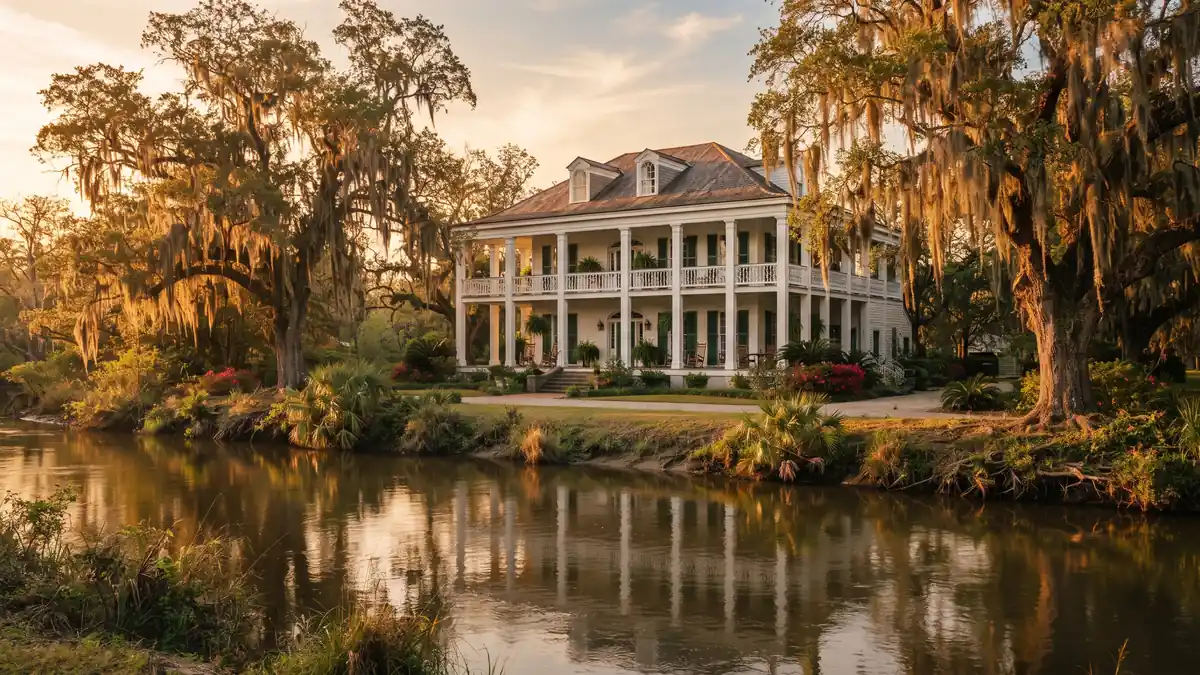
Main image: AI illustration.
Marie Thérèse Coincoin was born enslaved in August 1742, and she died a landowner in 1816 (Mills, 2008).
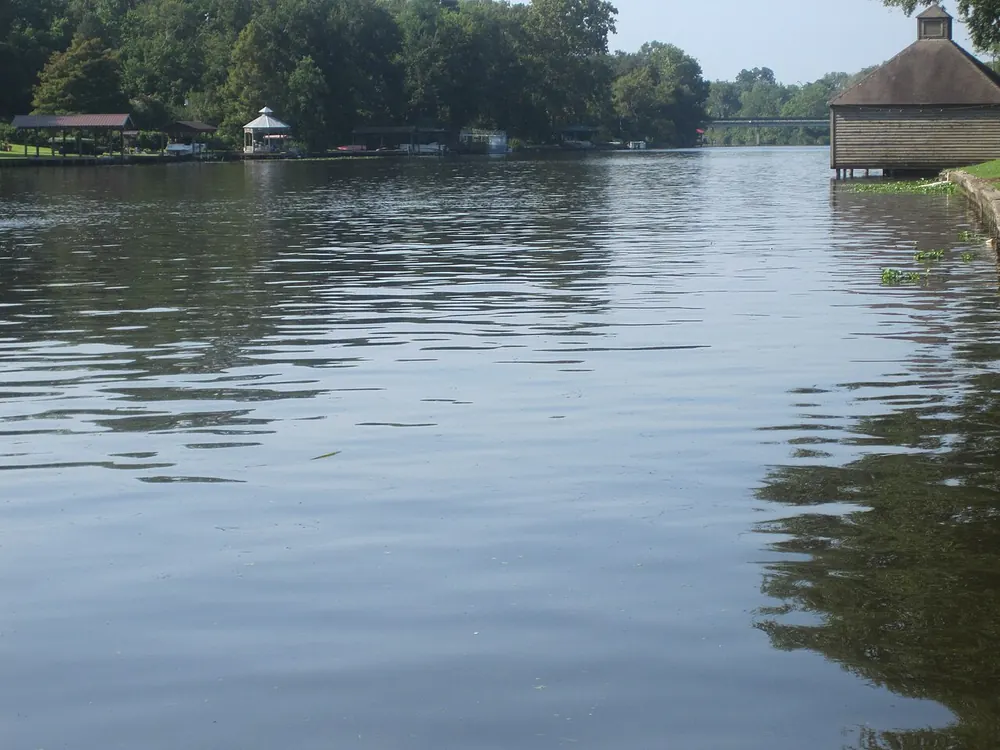
Claude Thomas Pierre Métoyer bought her freedom in 1778, after a parish priest threatened her sale to New Orleans (Mills, 2008).
Ten children followed, and that family founded Isle Brevelle, raised its church, and built Melrose Plantation.
Legend credits Coincoin herself with Melrose and with thousands of acres.
Records say otherwise, and the parish register wins wherever the two disagree.
Summary
- One documented life: enslaved in 1742, free in 1778, landowner by 1794 (Mills, 2008).
- Ten children with Claude Thomas Pierre Métoyer became landowners, church builders, and planters (Mills, 2008).
- Melrose belonged to her son Louis, not to Coincoin herself.
- The family also held enslaved people, and the census counts them plainly.
The Legend and the Record
Family lore once made Coincoin a heroine of romance.
A sick mistress, a grateful gift of land, and a plantation empire filled the tale (Mills, 2012).
Gary B. Mills tested that tale against parish registers, tax rolls, and land records (Mills, 1977).
His verdict still stands: the records tell a harder and more impressive story.
Coincoin owned just over 1,000 acres, not the 12,000 of legend (Mills, 2012).
Frugality marked her free life: she spent her income freeing her own children (Mills, 2008).
That correction does not shrink her.
It makes her achievement measurable, and therefore believable.
Born Enslaved at Natchitoches
Coincoin first appears in the written record in 1756 (Mills, 2008).
She was listed as a slave in the estate papers of Louis Juchereau de St Denis, founder of Natchitoches.
Her parents were François and Marie Françoise, both Africans enslaved at the post (Mills, 2008).
Eleven children filled that household, and Coincoin was the fourth (Mills, 2008).
Medicine came early: she made medicine, a skill that later earned her a living as a free woman (Mills, 2008).
No document names the African birthplace of either parent (Mills, 2008).
Her name may be an Ewe word for a second-born daughter, though scholars still debate the link (Mills, 2008).
Five children came before Métoyer entered her life.
Their father was an enslaved Native man, according to tradition no record proves (Mills, 2008).
Freedom in 1778
About 1767, her owner rented Coincoin to Métoyer, a young French merchant (Mills, 2008).
Twenty years together produced ten children.
Spanish law opened the door Coincoin walked through (Mills, 1977).
Under Spain, enslaved people could buy freedom, and free people of color could hold land (Mills, 1977).
Métoyer kept the children born before 1778 as his property for years (Mills, 2008).
He freed the eldest five as they matured and married (Mills, 2008).
A parish priest charged Coincoin as a public concubine in 1778 (Mills, 2008).
Métoyer bought her freedom rather than see her sold to New Orleans.
Freedom changed little at first.
In 1788 Métoyer married a white widow, and the liaison ended (Mills, 2008).
He gave Coincoin land off his plantation as they parted (Mills, 2008).
She also received a yearly allowance, later traded for the freedom of several children (Mills, 1977).
Land: Three Tracts, Not an Empire
Spanish land policy rewarded free people of color who farmed (Mills, 1977).
The policy paid off in her hands.
One farm measured 80 arpents, about 67 acres (Mills, 2012).
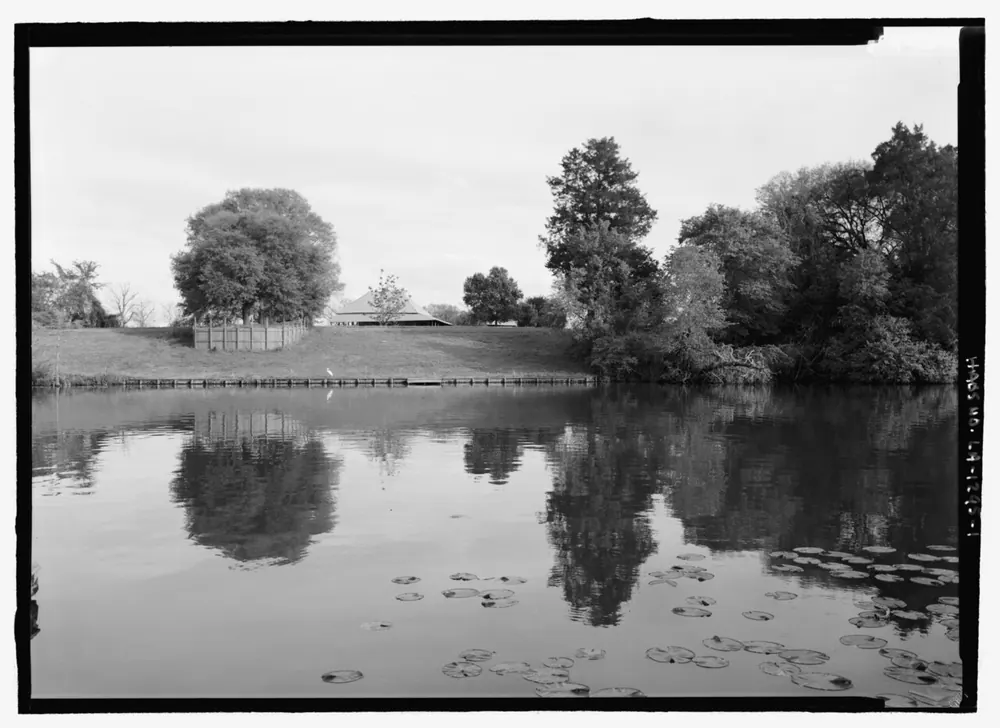
The Crown patented it in May 1794 (Mills, 2012).
Next came 800 arpents of piney woods on Old River (Mills, 2012).
Cattle grazed there under a Spaniard she hired to work the range.
In 1807 she bought a third tract beside her homestead (Mills, 2012).
It was meant for a younger son who came of age too late for Spanish grants.
Surviving records document just over 1,000 acres in her name (Mills, 2012).
Legends of 12,000 acres and 100 slaves have no record behind them (Mills, 2012).
Tobacco paid for the land, and medicine and trapping paid for more (Mills, 2008).
Bear grease, pelts, and cured tobacco went downriver to New Orleans.
Every spare coin went to one purpose.
Freedom for three children and several grandchildren from her first union came from those coins (Mills, 2008).
Ten Children Who Became a Dynasty
Manumission came slowly for the children, as each matured and married (Mills, 2008).
Some waited until their twenties, thirties, and forties (Mills, 2008).
Augustin, the eldest, was born in 1768 (Dictionary of Louisiana Biography, 1988).
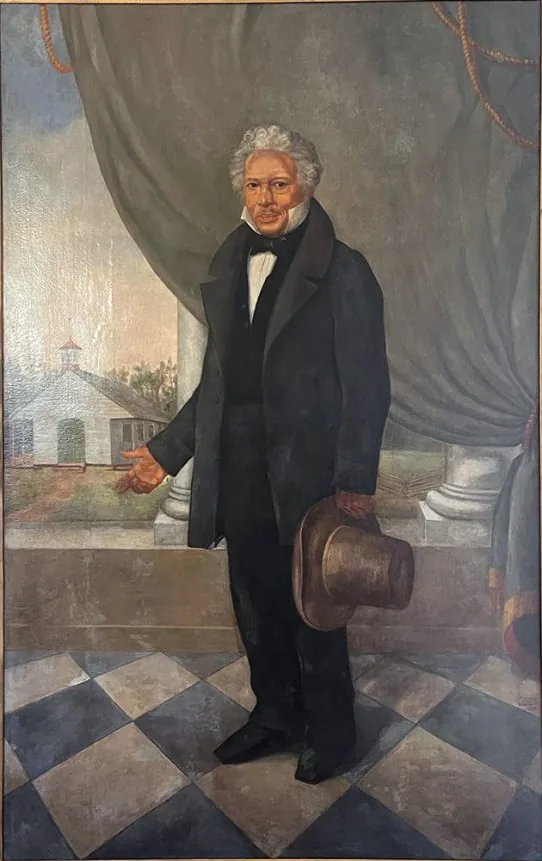
Augustin gave the land for St Augustine Church, and tradition credits his brother Louis with building it (Mills, 1977).
Louis, born about 1770, waited longest for legal freedom (Dictionary of Louisiana Biography, 1988).
His father bought him as a child, yet formal manumission came only in 1802 (Dictionary of Louisiana Biography, 1988).
Pierre Victorin, born in 1789, and François Benjamin, born in 1793, farmed beside their brothers (Dictionary of Louisiana Biography, 1988).
By 1830 the siblings stood among the wealthiest free families of color in the nation (Mills, 2008).
Their wealth came from land, cotton, and the labor of enslaved people.
Louis Métoyer and Melrose
Louis received his own land while still enslaved in law.
Royal favor reached him early: a grant of 1,372 arpents came in 1795 (Dictionary of Louisiana Biography, 1988).
Melrose itself grew from a 912-acre grant to Louis in 1796 (National Register of Historic Places, 2014).
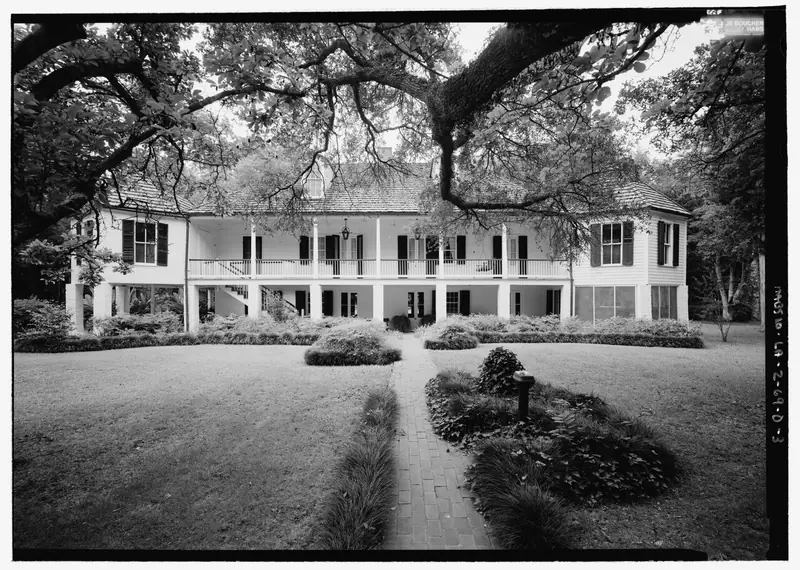
Most of the surviving plantation buildings rose under his direction before his death (Mills, 2012).
Work on the Big House began about 1832, and his son Jean Baptiste Louis finished it in 1833 (Melrose on the Cane, 2026).
Death came on 11 March 1832, when he was 62 (Dictionary of Louisiana Biography, 1988).
At his death his estate passed 100,000 dollars in value (Dictionary of Louisiana Biography, 1988).
Melrose left Métoyer hands in 1847 (Mills, 2012).
Its buyers were Henry and Hypolite Hertzog, and the price was 8,340 dollars (Melrose on the Cane, 2026).
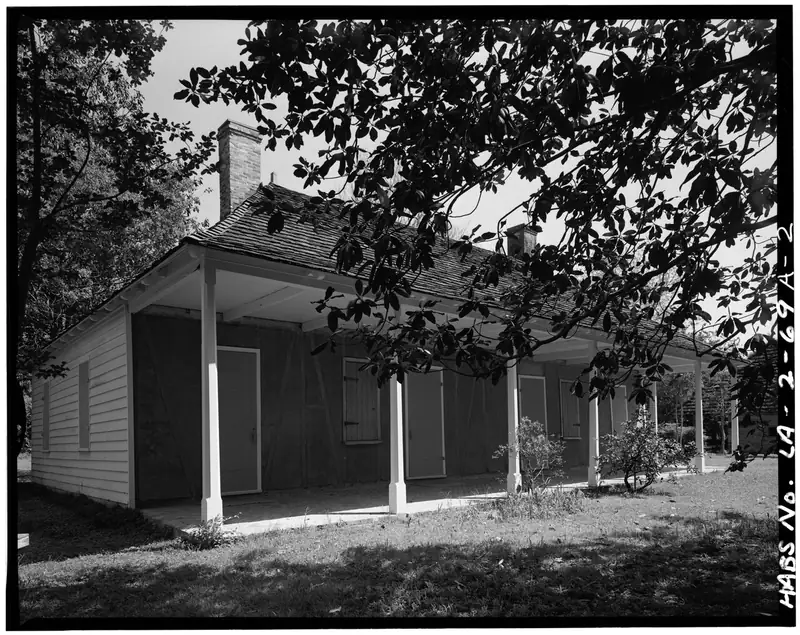
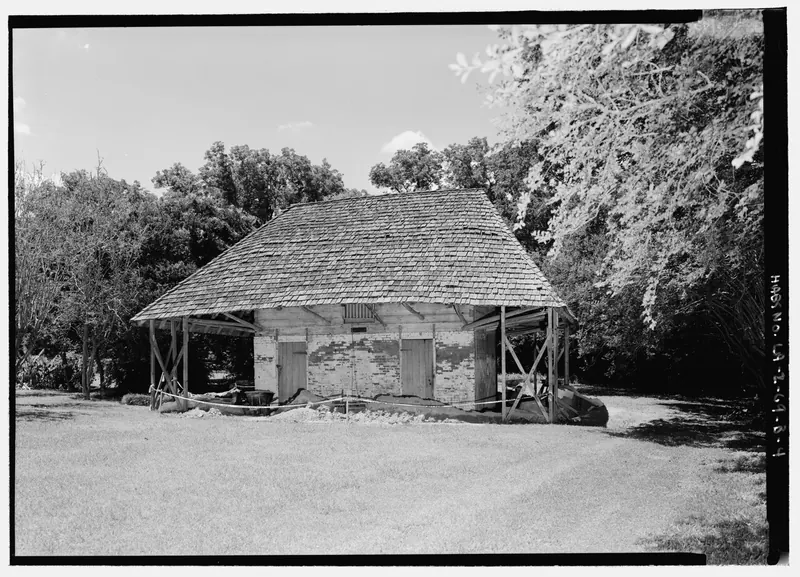
Augustin Métoyer and St Augustine
Land for the chapel came from Augustin, and tradition credits Louis with designing and raising it (Mills, 1977).
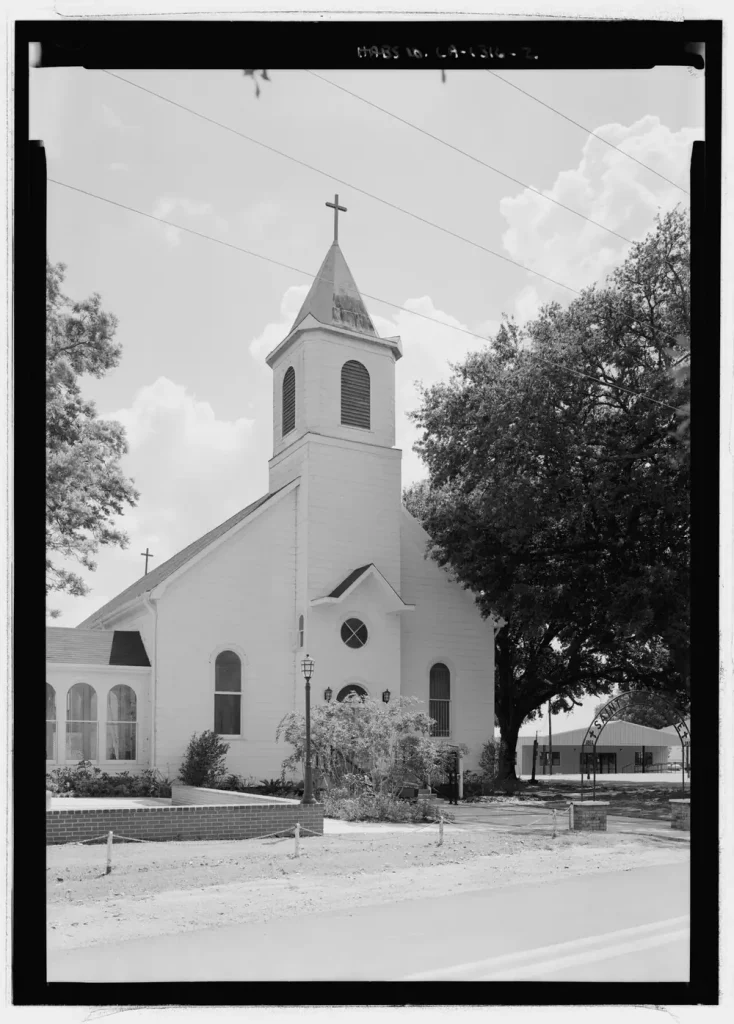
Tradition dates the church to 1803 (Mills, 1977).
Parish records say Father Jean Baptiste Blanc consecrated the chapel on 19 July 1829 (Mills, 1977).
Both dates stand in the record, and neither is settled here.
Pew records put the Métoyer family in front and white planters behind them (Mills, 1977).
Visitors still notice the reversal today.
Union troops are said to have burned the first chapel in May 1864 (Mills, 1977).
Today the present church dates to 1917 (National Register of Historic Places, 2014).
St Augustine became a parish in its own right in 1856 (Mills, 1977).
Worship continues there today, in an active parish on Isle Brevelle.
For the church itself, a companion article tells the full story St. Augustine Catholic Church.
The Hardest Fact: The Family Held Enslaved People
Liberty did not make the Métoyers opponents of slavery.
They held enslaved people themselves, and the census counts them (Mills, 1977).
By 1830 Louis owned 54 enslaved people, and Augustin owned 54 (United States Census, 1830).
Thirteen members of the family together owned 215 (United States Census, 1830).
Together the two brothers ranked among the fifteen largest slaveholders in the parish in 1830 (United States Census, 1830).
Enslaved workers and later tenants worked the Métoyer plantations alongside the family (Mills, 1977).
Near the top of that small owning class stood the Métoyers.
Even Coincoin bought enslaved people to protect kin from other buyers (Mills, 2008).
Work beside them filled her days until her health failed (Mills, 2008).
None of this erases what the family built.
Remembering it stops the story from becoming a simple tale of triumph.
The House That May Not Be Hers
Near Bermuda, a small raised cottage still carries her name.
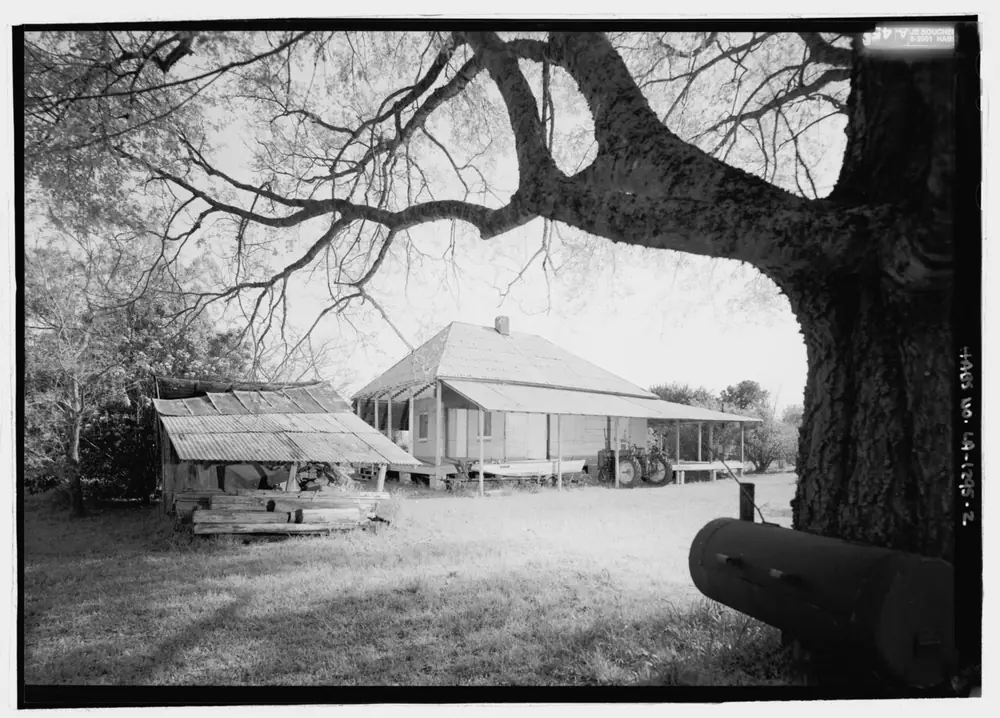
National Register listing came on 6 December 1979 (National Register of Historic Places, 1979).
Its nomination dates the cottage to about 1786 (National Register of Historic Places, 1979).
Federal surveyors date the standing walls to 1828–1847, decades after her death (Mills, 2012).
Scholars still disagree, and visitors should know that (Mills, 2012).
What no one disputes is the ground: her farm stood on that land.
Private owners hold the house today.
Check before visiting, and respect the owners.
Why the Legend Stuck
Younger than the plantation itself, the Melrose legend dates to the twentieth century (Mills, 2012).
Elizabeth Shown Mills traces its birth to François Mignon, a writer who also invented his own identity (Mills, 2012).
Mignon romanticized Melrose for visitors in the mid-twentieth century (Mills, 2012).
Later writers repeated him without checking the land records.
Tourism rewarded the romance, and the records sat unread.
Correcting it took parish registers, land claims, and three decades of Mills research (Mills, 2008).
Mills found no telling of the Melrose tradition before 1927 (Mills, 2012).
That makes the legend younger than the plantation by more than a century.
Fiction kept the legend alive as well.
Elizabeth Shown Mills told the same family story as a novel, Isle of Canes, in 2004 (Mills, 2008).
Novel and history share the same archives, and only the novel invents dialogue.
Tracing the Family Today
Descendants still live on Isle Brevelle, and the paper trail survives (Northwestern State University, 2026).
Start at the Creole Heritage Center at Northwestern State University.
More than 5,000 items on Louisiana Creole life fill its library (Northwestern State University, 2026).
Staff there point researchers to church registers and family histories.
An online National Creole Family database holds more than 9,500 names with basic genealogical information (Northwestern State University, 2026).
Church records, cemetery records, and family history books fill the shelves behind it (Northwestern State University, 2026).
Access to Ancestry and Newspapers helps researchers check names against wider records (Northwestern State University, 2026).
Collecting for almost 30 years, the Center holds material reaching back to the 18th century (Northwestern State University, 2026).
Staff can also arrange research help for visitors who write ahead.
Louisiana State University holds Metoyer family papers from 1895 to 1944, in 219 items (Louisiana State University Libraries, 2026).
Those papers record cotton sales, store accounts, and family births and deaths.
Archive research suits readers tracing a named ancestor with a parish and a decade in hand.
Readers seeking a single online family tree will not find one, because the records sit in several archives, not one website.
For the wider story, see the guide Cane River Creole Culture and History: The Complete Guide.
Harder than the legend, the true story serves Coincoin better.
From slavery she rose to land, and her children built a church and a plantation on that land.
Keep the whole record in view, and the family stays remarkable without needing a myth.
Frequently Asked Questions
Did Marie Thérèse Coincoin found Melrose Plantation?
No. Records grant the Melrose core tract to her son Louis in 1796 (Mills, 2012).
Nearby lay her own farms, and Louis built the plantation buildings.
How did Coincoin gain her freedom?
Claude Thomas Pierre Métoyer bought her freedom in 1778 (Mills, 2008).
Priest charges of public concubinage had threatened her sale to New Orleans.
How much land did Coincoin own?
Just over 1,000 acres stand documented in her name (Mills, 2012).
First came an 80-arpent farm, about 67 acres, patented in 1794 (Mills, 2012).
Was St Augustine Church built in 1803?
Tradition says 1803, and parish records say the chapel was consecrated on 19 July 1829 (Mills, 1977).
Both dates stand in the record, and neither is settled here.
Where can descendants research the Métoyer family?
Start with the Creole Heritage Center at Northwestern State University (Northwestern State University, 2026).
More than 5,000 items fill the library, and Louisiana State University holds the Metoyer family papers.
Methodology
This article was written in November 2026 from Gary B. Mills, The Forgotten People (LSU Press, 1977).
Later corrections came from Elizabeth Shown Mills, in the National Genealogical Society Quarterly (2008) and Louisiana History (2012).
National Register nominations, the Historic American Buildings Survey, and the 1830 census supplied the property and population figures.
Each figure was checked against one of those sources on 23 November 2026.
Figures found in only one secondary source were left out.
Where sources disagree, both sides appear instead of one, and hours, prices, and addresses are left out because those change.
References
- The Forgotten People: Cane River’s Creoles of Color (LSU Press, 1977; revised 2013)
- Documenting a Slave’s Birth, Parentage, and Origins: Marie Thérèse Coincoin, 1742–1816 (National Genealogical Society Quarterly, 2008)
- Demythicizing History: Marie Thérèse Coincoin, Tourism, and the National Historical Landmarks Program (Louisiana History, 2012)
- Maison de Marie Therese — National Register of Historic Places Inventory-Nomination Form (National Park Service, 1979)
- St Augustine Catholic Church and Cemetery — National Register of Historic Places Registration Form (National Park Service, 2014)
- Coincoin-Prudhomme House (Maison de Marie Therese) — Historic American Buildings Survey (National Park Service)
- Creole Heritage Center — Northwestern State University of Louisiana
- Metoyer Family Papers, 1895–1944 — Louisiana State University Libraries (ArchiveGrid) (accessed 2026)
- Review of The Forgotten People: Cane River’s Creoles of Color — Journal of Folklore Research Reviews
- History — Melrose on the Cane (accessed 2026)
- Dictionary of Louisiana Biography — “Louis Metoyer” and “Marie Thérèse dite Coincoin” (Louisiana Historical Association, 1988).