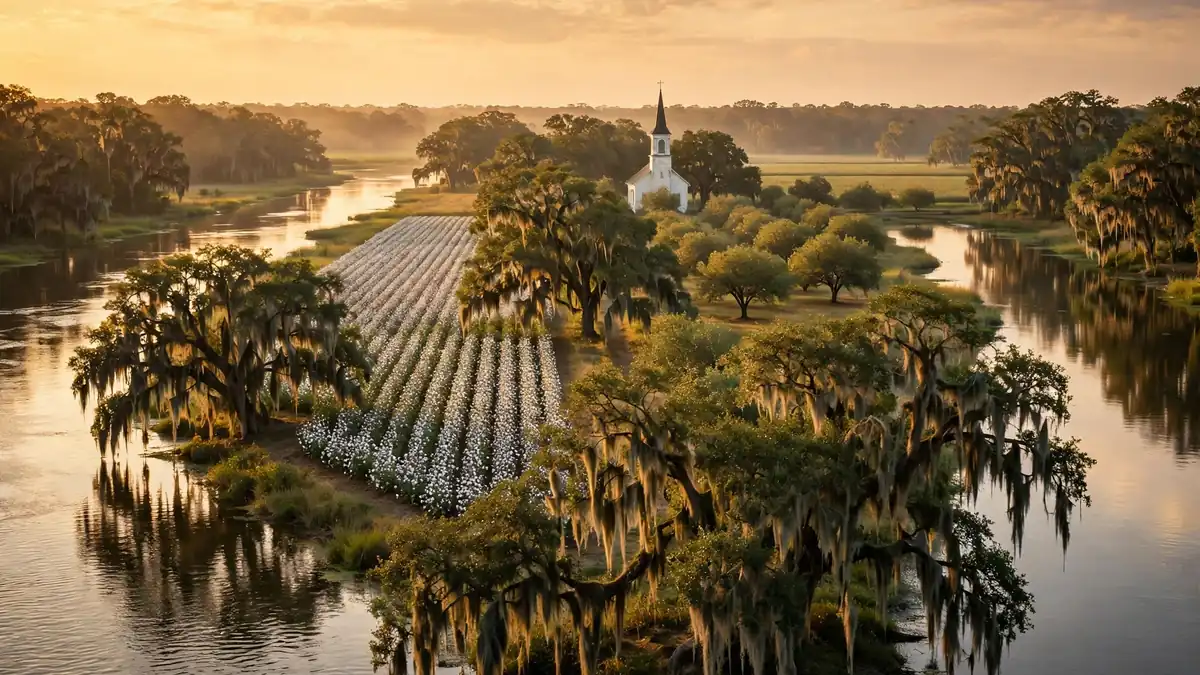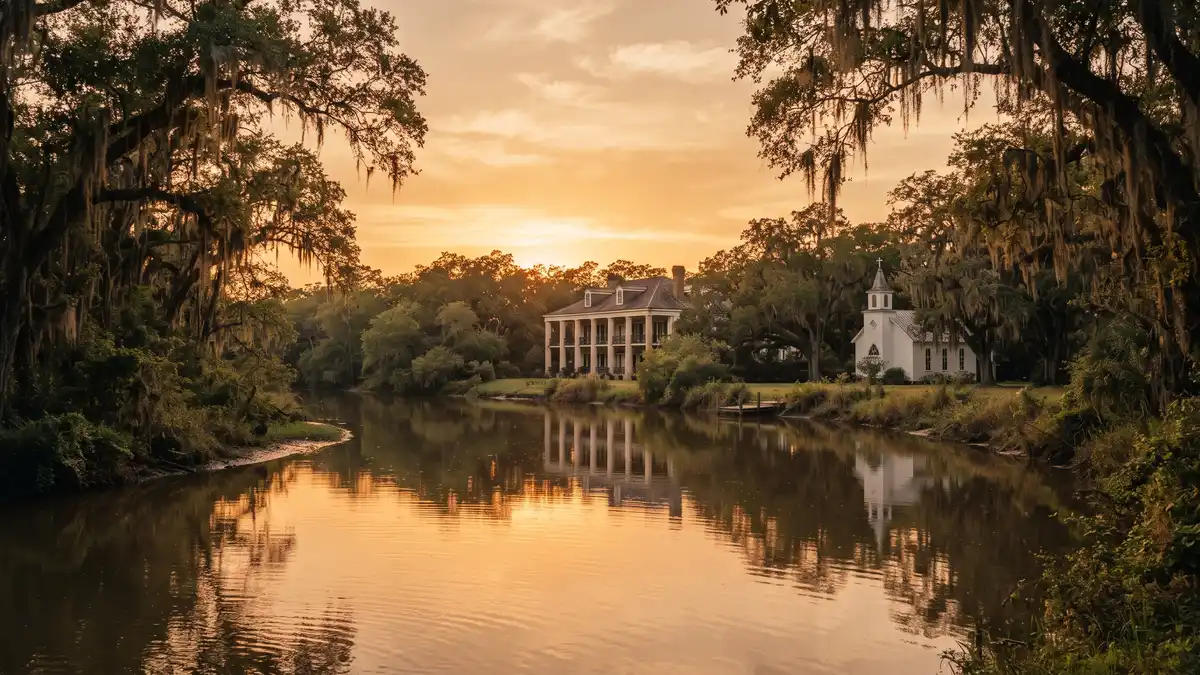
Main image: AI illustration.
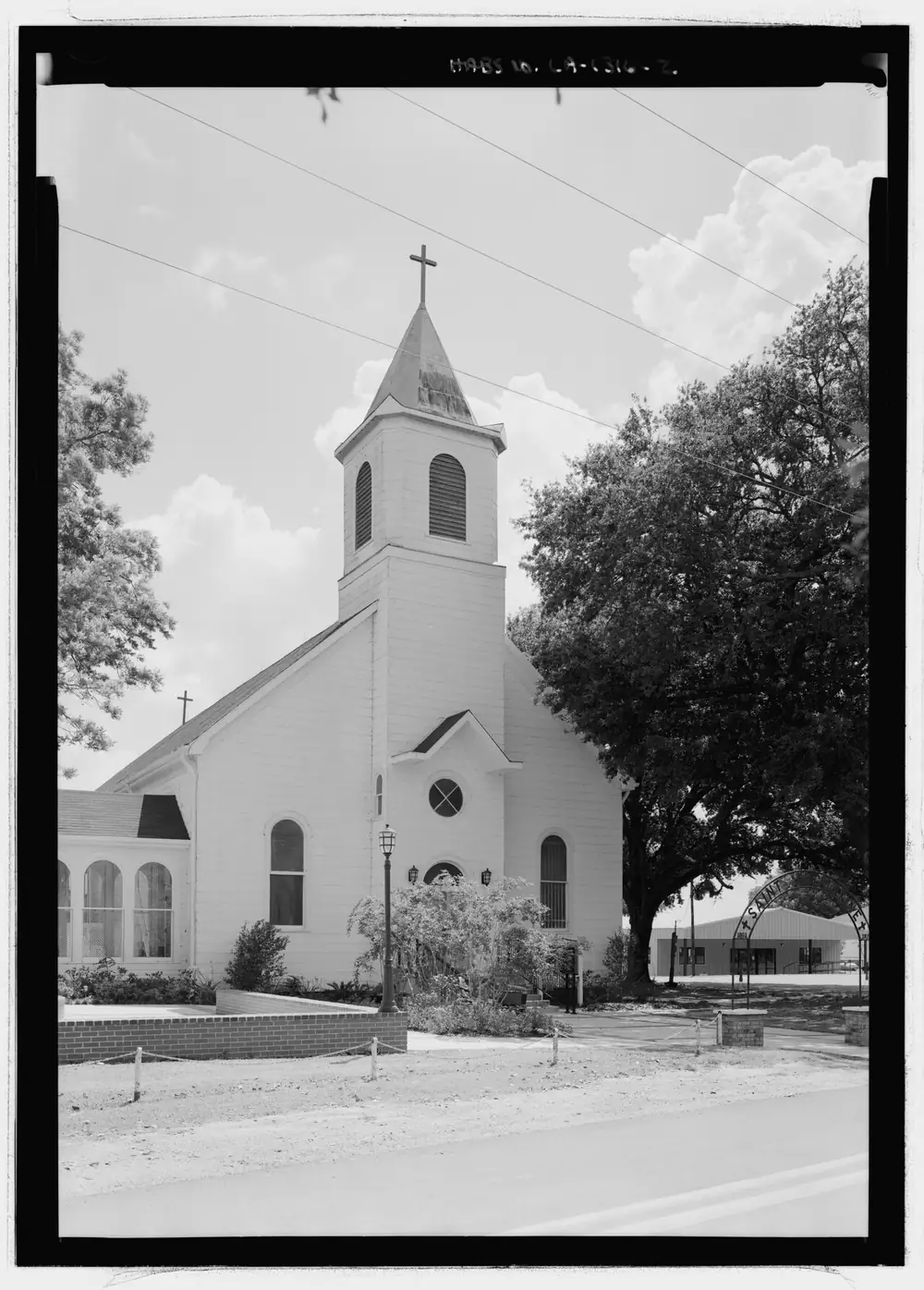
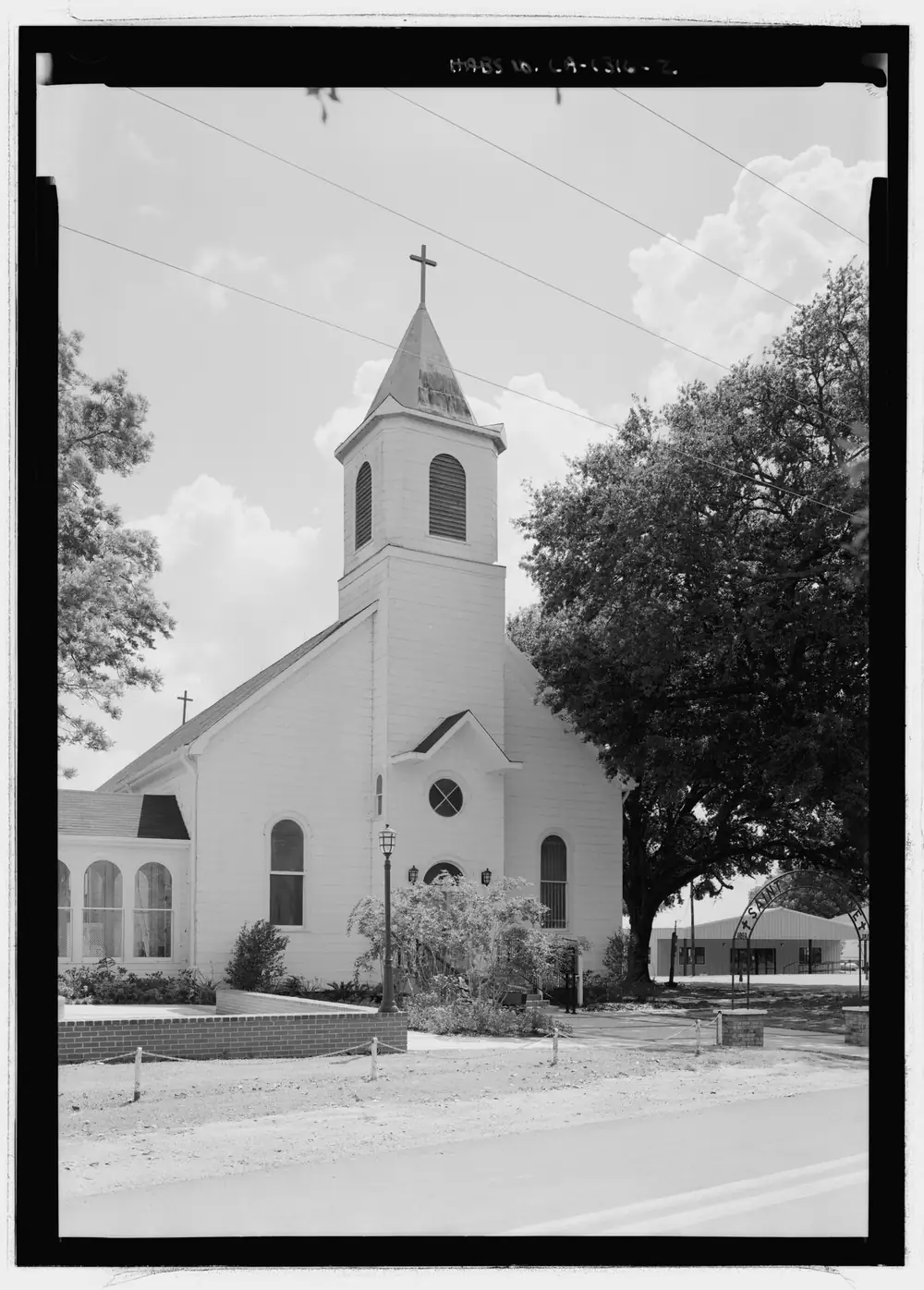
Two centuries of Cane River Creole life run through one white church on Isle Brevelle. Isle Brevelle’s white church is the spiritual center of a farming community, and its story belongs to the free people of color who raised it.
Nicolas Augustin Métoyer gave the land for the chapel. Brother Louis is credited with designing and raising the building, and the family filled the front pews while white planters sat behind them.
That reversal is the point of this church. Builders raised it with their own hands, on ground they owned.
Almost no Black congregation in America could say the same at the time.
Summary
- Two dates compete for the beginning: family tradition says 1803, while parish records show a consecration on 19 July 1829 — both are reported and neither is settled.
- Nicolas Augustin Métoyer gave the land, and his brother Louis is credited as designer and builder — though the National Register nomination itself warns that no primary source proves the design claim.
- Pew records put the Métoyer family in front and white planters behind them, the opposite of the usual Southern arrangement.
- Fire is said to have taken the first chapel in 1864 and a second church in the early 1900s; the present building rose from a 1916 campaign and was dedicated on 15 February 1917.
Two Dates for One Beginning
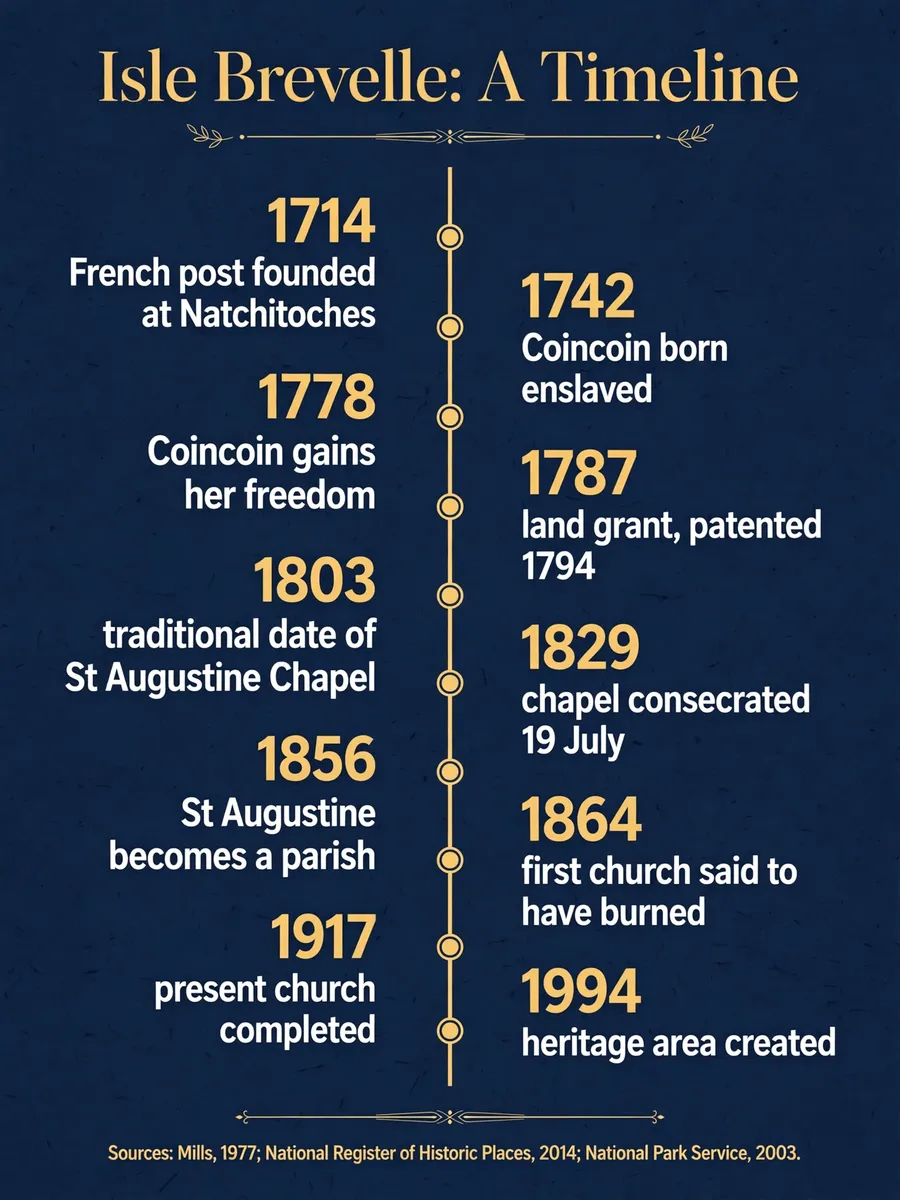
Ask when St Augustine began and you get two answers. Family tradition says 1803, and the community celebrated the 200th anniversary of that traditional date on 1 November 2003 (Northwestern State University, 2003).
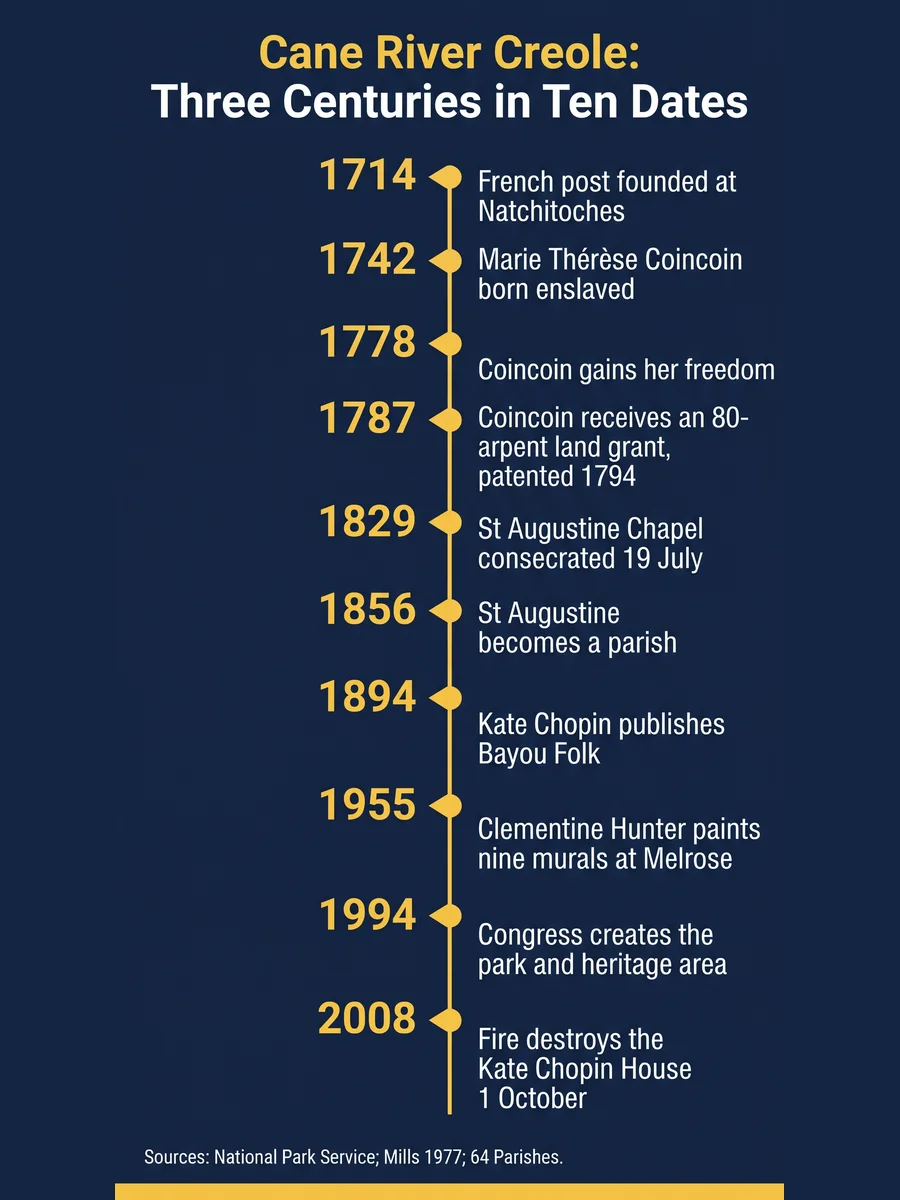
Parish records tell a different story. Registers show the chapel consecrated for worship on 19 July 1829.
Jean Baptiste Blanc blessed it as a mission of St Francis of Natchitoches (St. Augustine Catholic Church and Cemetery, 2026). Blanc recorded that Augustin Métoyer raised the chapel on his own plantation, with help from his brother Louis.
Four days after the blessing, four couples married in the chapel, and a fifth wedding followed two days later (National Register nomination, 2014). Historian Elizabeth Shown Mills spent forty years searching for proof of an 1803 chapel.
She found no record of a church or chapel built on the Isle in that year, that decade, or that quarter-century (National Register nomination, 2014). Earlier registers explain the gap.
Priests from Natchitoches travelled to Isle Brevelle for baptisms and marriages after 1803. They held services in private homes, naming each house where they stopped (National Register nomination, 2014).
None of those entries names a chapel before 1829.
A Natchitoches priest had already hoped for one on the Isle as early as 1799 (National Register nomination, 2014). Yet the registers show the building came later.
Tradition carries what the community has always believed about itself, while the registers carry what the paper proves. Choosing one side would hide the other half of the story.
Both dates stay in view, and the reader can see why each one matters.
The Métoyer Brothers Raised It on Family Land
Augustin Métoyer was the eldest son of Marie Thérèse Coincoin and Claude Thomas Pierre Métoyer. Born in January 1768 as one of twins, he was freed by his father in 1792.
He bought his first Isle Brevelle land soon after (National Register nomination, 2014). Younger brother Louis followed with a neighbouring grant of 912 acres in early 1796.
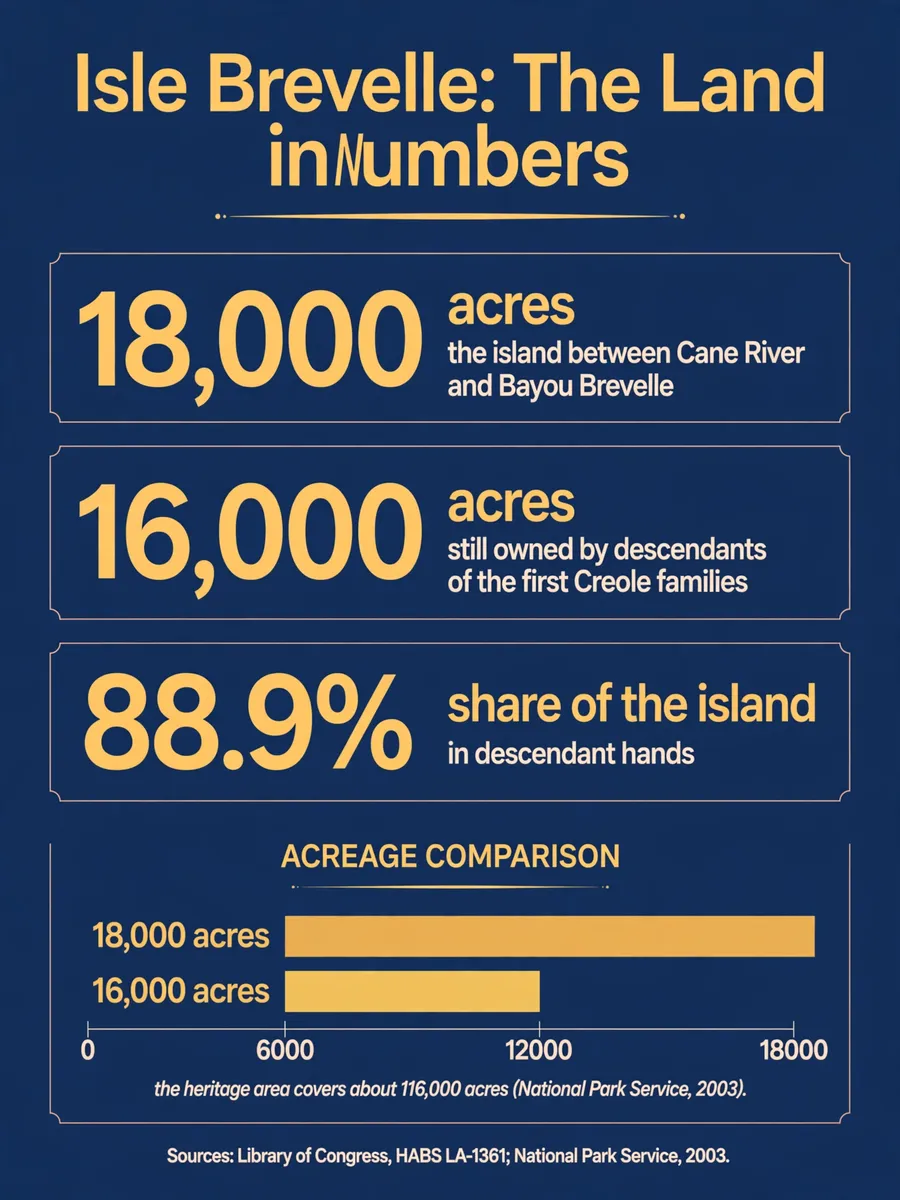
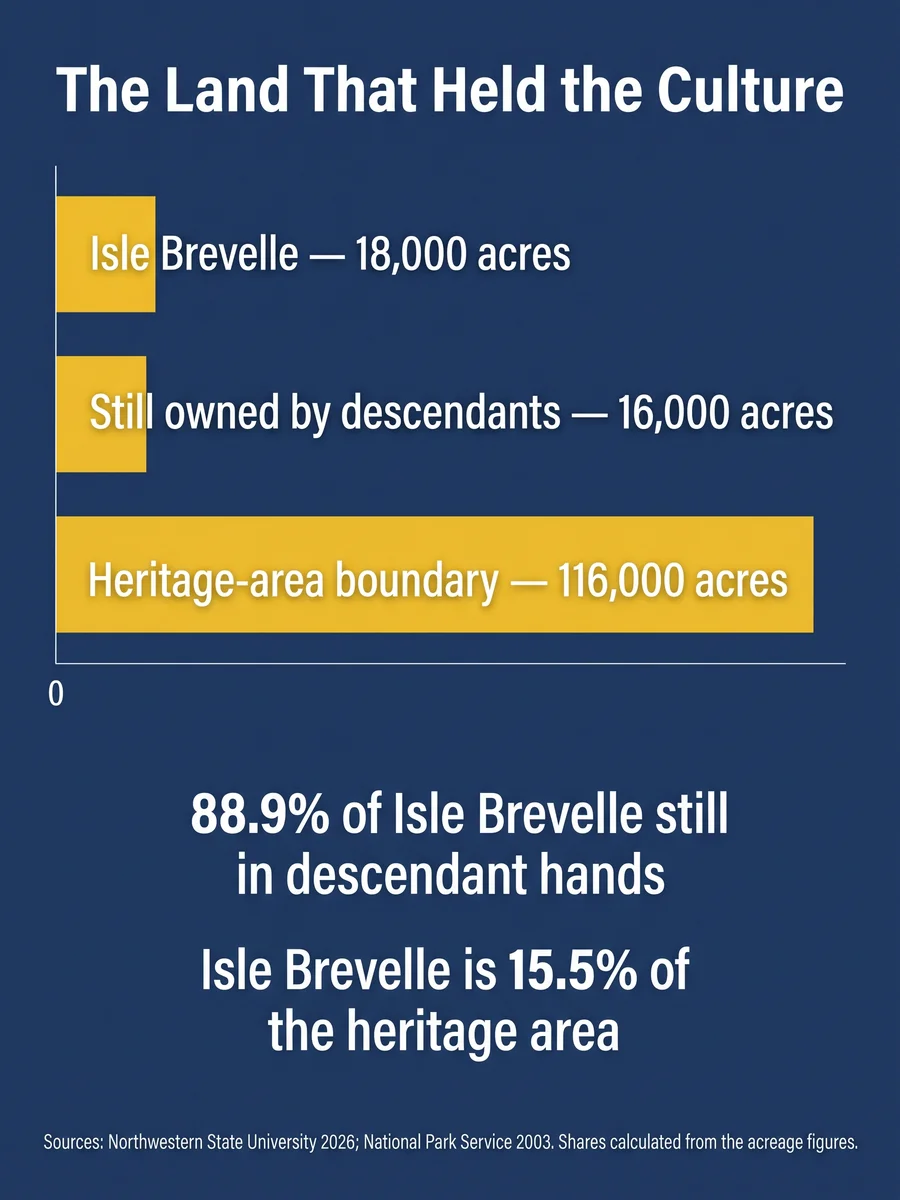
Together the brothers turned family ground into the center of a community that soon held about 18,000 acres (National Register nomination, 2014). Augustin gave the chapel its ground from his own plantation.
Louis is traditionally credited with designing and building it, a role repeated in almost every account of the church (National Register nomination, 2014). Here the nomination adds a warning that most retellings skip.
Footnotes in the nomination say no primary source for Louis as architect or builder is known. Mignon may have supplied the idea: a Melrose resident from the 1930s, he invented several Cane River stories (National Register nomination, 2014).
That caution does not erase the brothers from the story: he paid for the chapel, gave the land, and stood behind it until his death.
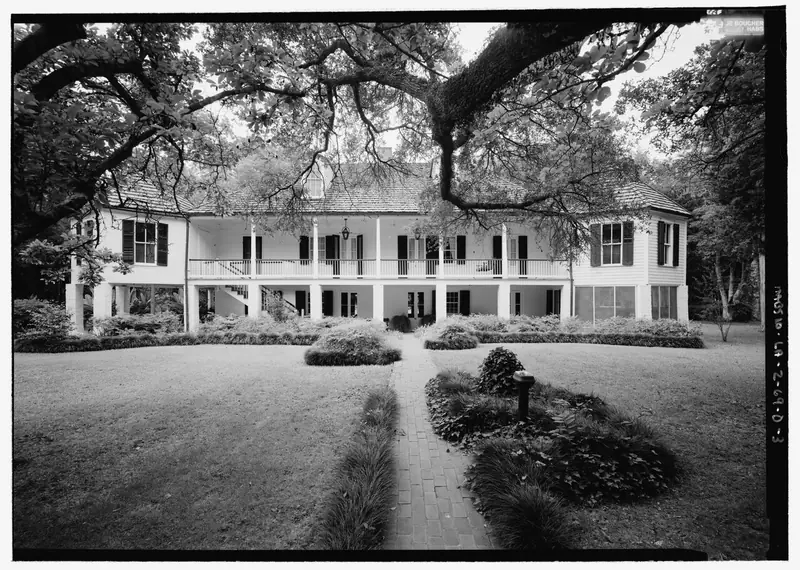
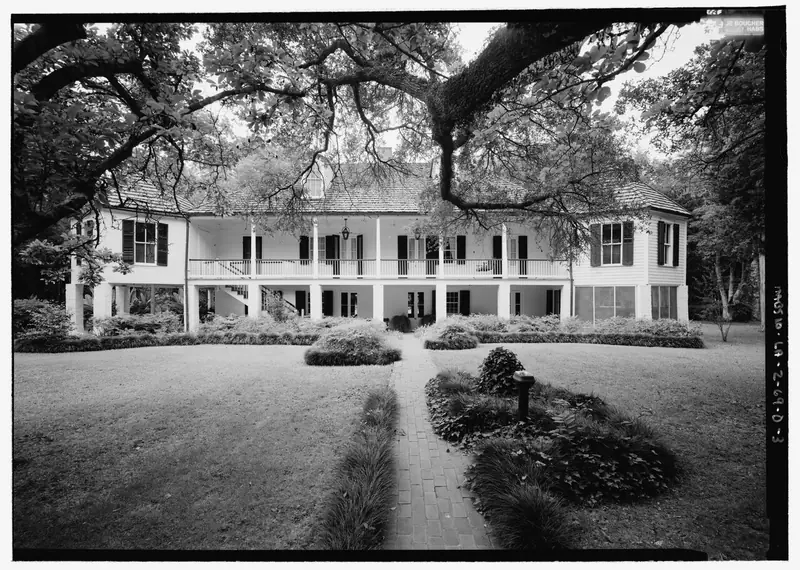
Louis built the great house at Melrose nearby (National Register nomination, 2014). What the record proves is a family project, funded and directed by free men of color.
What it does not prove is which brother held the drawing pen, and honest history says so.
The Pews Reversed the Southern Order
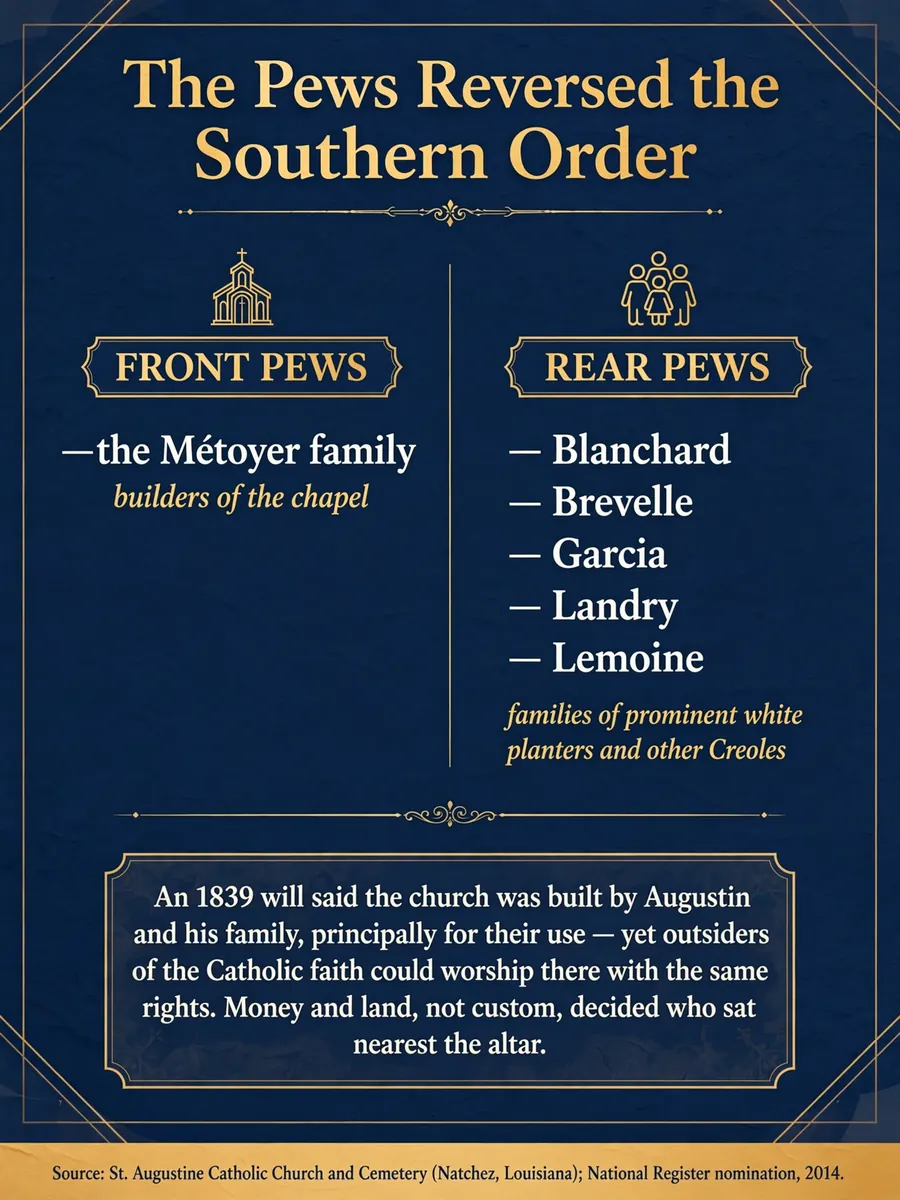
Inside the chapel, seating told the community who mattered. Surviving pew records show the Créole de couleur Métoyer family in the front seats.
Builders of the chapel sat where builders rarely sat (National Register nomination, 2014). Behind them sat the families of prominent white planters and other Creoles.
Surnames in those rear pews included Blanchard, Brevelle, Garcia, Landry, and Lemoine (St. Augustine Catholic Church and Cemetery, 2026). Southern churches of the time usually ordered seating the other way.
White families took the front, and Black worshippers sat behind them or in a gallery, if they were admitted at all. Isle Brevelle turned that order around because its builders owned the building.
Money and land, not custom, decided who sat nearest the altar. An 1839 will carried the same principle.
In it he said the church was built by him and his family, principally for their use. Yet outsiders of the Catholic faith could worship there with the same rights his family enjoyed (National Register nomination, 2014).
Early marriages in the chapel joined couples of French, Spanish, Native American, and mixed heritage.
White neighbours worshipped there alongside its Creole founders (National Register nomination, 2014).
From Mission to Parish in 1856
For its first decades St Augustine was a mission, served by travelling priests from Natchitoches. Resident pastor was lacking, and its people waited for the priest to come to them (National Register nomination, 2014).
Bishop Auguste Martin changed that on 11 March 1856. Martin decreed St Augustine a parish in its own right.
Father François Martin, the bishop’s brother, became its first resident pastor (National Register nomination, 2014). Founder lived just long enough to see it happen.
Death came on 19 December 1856, nine months after the decree. Burial placed him in the tomb behind the church beside his wife Marie Agnes, who had died in 1839 (National Register nomination, 2014).
Parish status made St Augustine the mother church of the river settlements. Four other churches soon fell under its care (St. Augustine Catholic Church and Cemetery, 2026).
Among them were St Charles Chapel at Bermuda and St Anne Church at Spanish Lake, which served the Adai Caddo people. Bayou Derbonne and Old River held the other two: St Joseph Mission and St Anne Chapel.
Daughters of the Cross opened a girls school in 1857.
Girls learned there in the building now called the Badin-Roque House, about a mile up the road (National Register nomination, 2014). Larger convent and school rose beside the church around 1860.
Fire, Rebuilding, and the Church You See Today
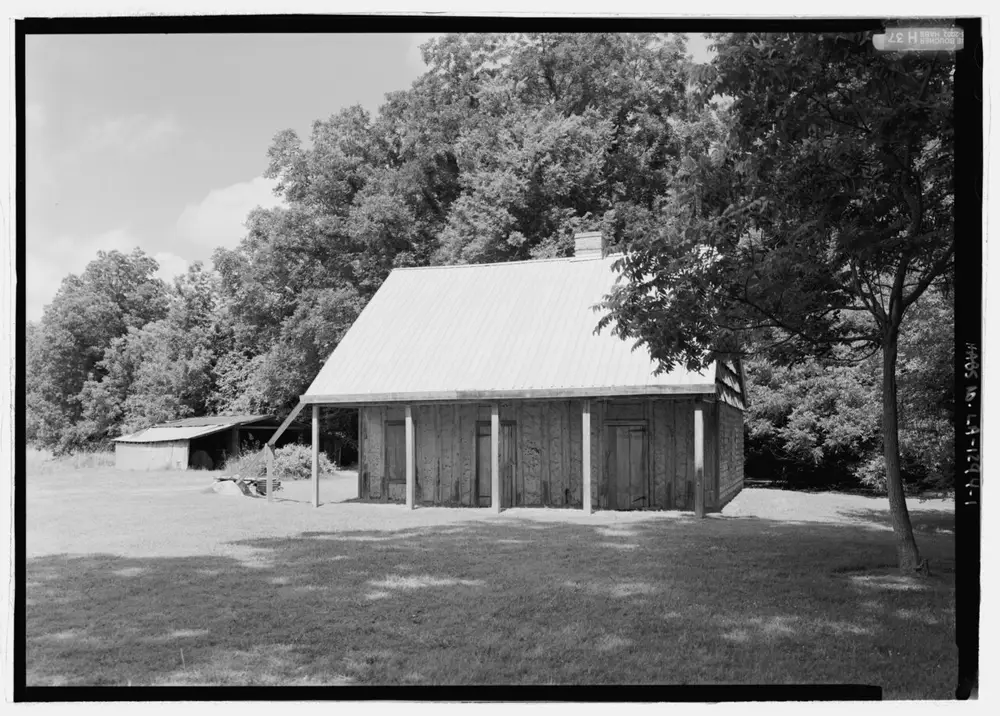
War reached Isle Brevelle in May 1864. Union troops are said to have torched the first chapel during the Red River campaign.
No trace of the original building survives (National Register nomination, 2014).
A second church burned in the early 1900s. Its replacement is the white church visitors see today, and its date is where the sources split by a single year (National Register nomination, 2014).
Northwestern State University and the WAFB television history both date the present structure to 1916. Nomination text calls the present church part of a 1916 building campaign that replaced the older buildings (Northwestern State University, 2026; WAFB, 2026).
Other accounts give 1917, and the two years fit together rather than fight. Bishop Van de Van dedicated the finished church at a solemn high Mass on 15 February 1917.
So the campaign began in 1916 and the doors opened in 1917 (National Register nomination, 2014).
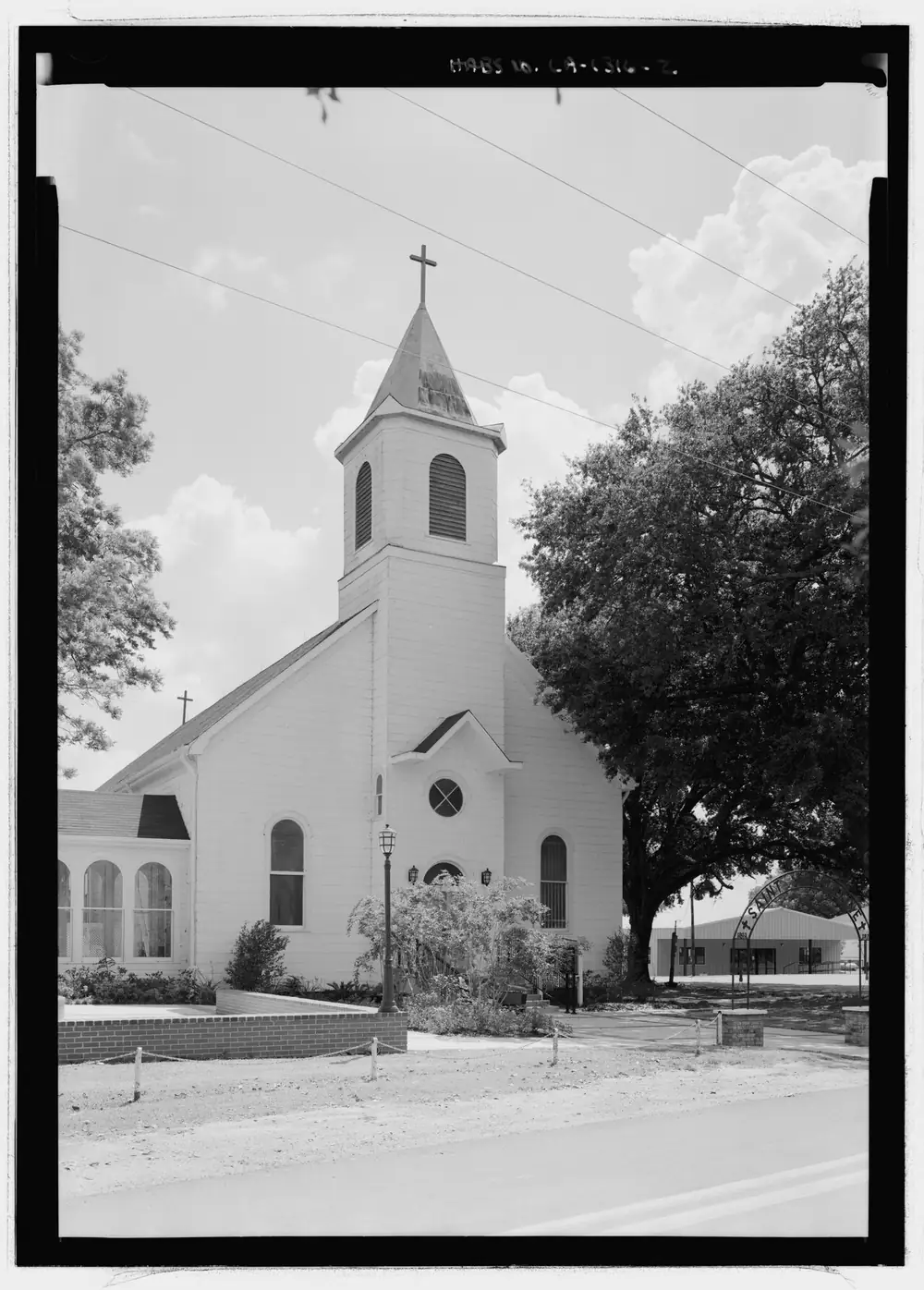
Romanesque Revival arches shape the building inside and out. Bell tower rises through the center of the front gable, topped by a broach spire.
Walls wear white asbestos shingles, and a red standing-seam metal roof covers the nave.
Renovation in 2001 stripped 1970s panelling to expose the original beaded board again. Sam Jacobs, the bishop, rededicated the renovated church on 24 February 2001 (Diocese of Alexandria, 2025).
Last windows went in during 2017, blessed that year, so the building still gains new work in living memory (Diocese of Alexandria, 2025).
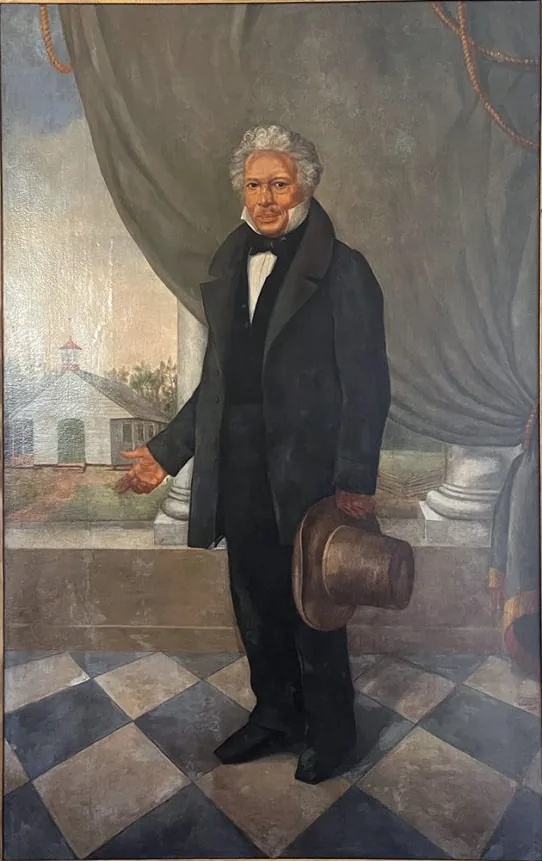
An oil portrait keeps the founder in the room.
Descendants bought it back at auction, and it has hung in the church annex since the 1970s (St. Augustine Catholic Church and Cemetery, 2026).
The Cemetery Behind the Church
Behind the church and rectory lies the cemetery, one contributing site in a property of about 57 acres (National Register nomination, 2014).
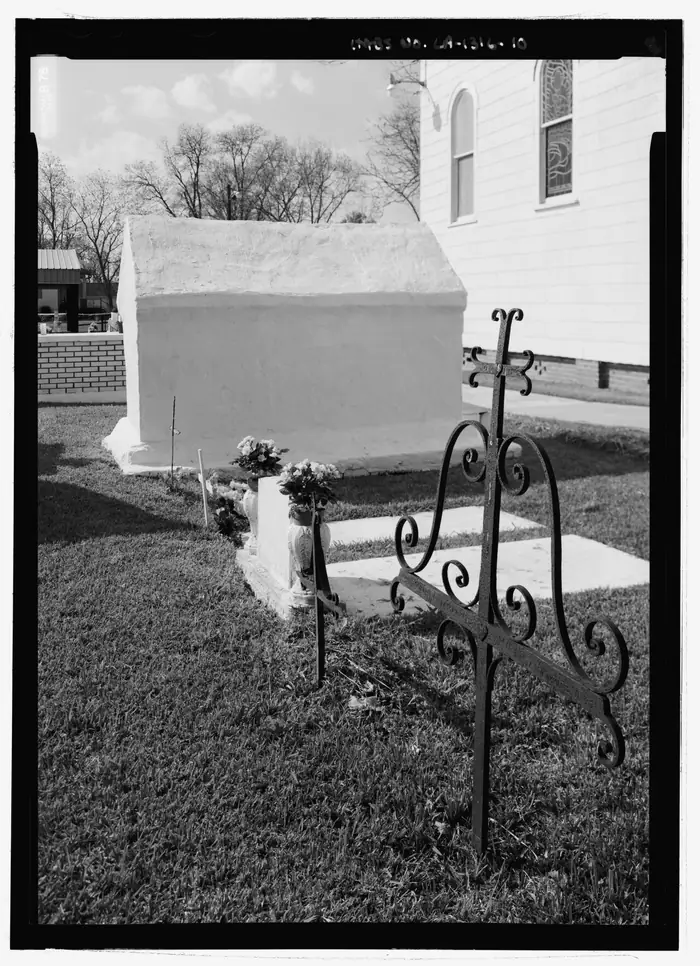
Late twentieth-century mausoleums, four of them, flank the sides (National Register nomination, 2014).
Marie Agnes shares the most prominent tomb with Augustin, directly behind the church. He died in 1856 and she in 1839, and their brick tomb carries a marble tablet over the crypt (National Register nomination, 2014).
Burials began here by the end of 1839. Marie Agnes, who died on 7 July 1839, was likely among the first laid to rest on this ground (National Register nomination, 2014).
Surnames like Metoyer, Balthazar, Dubreuil, and Rachal repeat across generations, and the cemetery reads as a family record in stone (National Register nomination, 2014).
All Saints Day and All Souls Day, on 1 and 2 November, center on this ground. Families clean and decorate the graves, and the evening closes with a candlelit gathering to remember the dead (National Register nomination, 2014).
After Mass the congregation moves outside for games and coffee brewed over fires at the cemetery edge.
Children hunt eggs around the tombs (National Register nomination, 2014).
A School, a Hall, and a Community That Gathers
Classrooms gave the community its second calling. Sisters of Divine Providence reopened it in 1890 after a closure of about fifteen years.
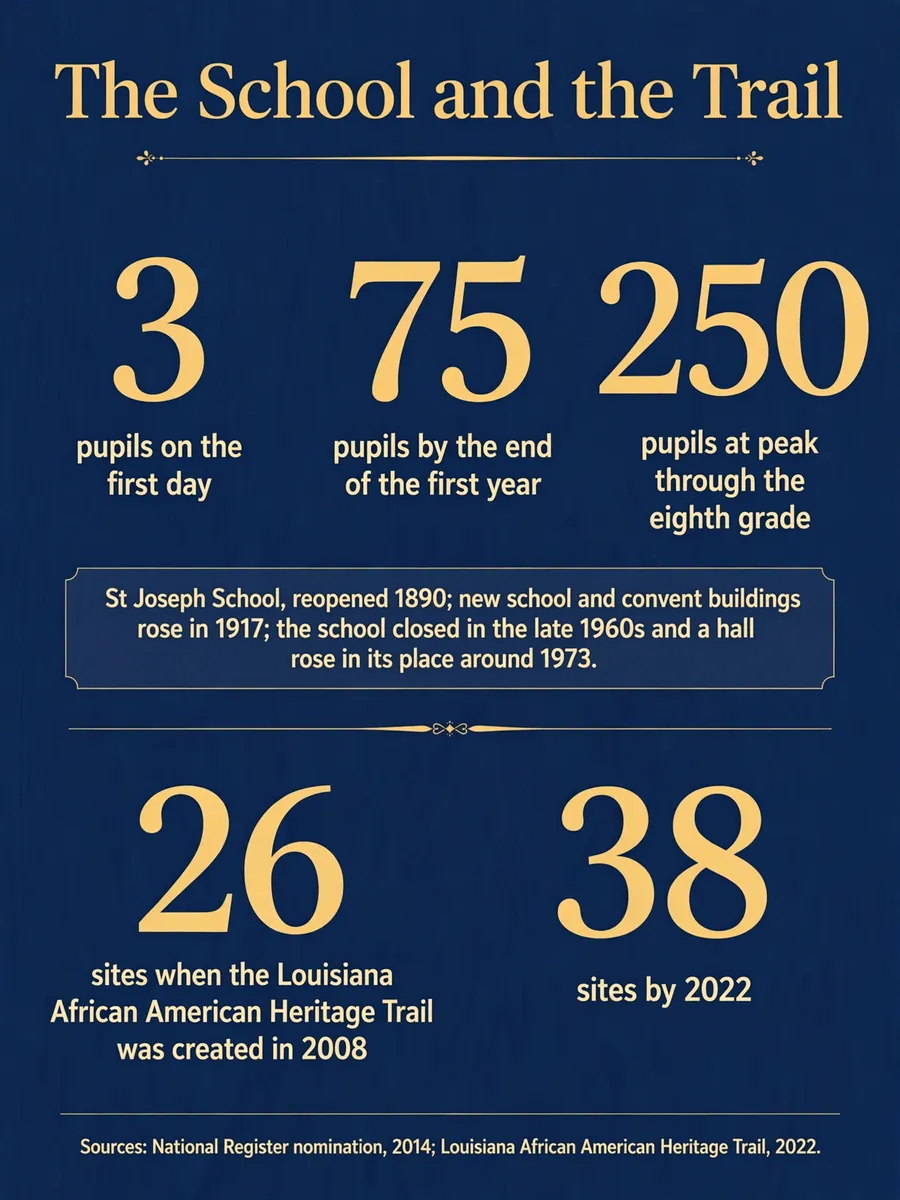
Three pupils walked in on the first day (National Register nomination, 2014).
Seventy-five children were enrolled by the end of that first year. At its peak the school taught 250 boys and girls through the eighth grade.
Plays, wedding receptions, and every kind of gathering filled its hall (National Register nomination, 2014).
New school and convent buildings rose in 1917, beside the new church.
Enrolment faded as Louisiana schooling changed and families moved away. The school closed in the late 1960s, and its building was demolished in the early 1970s (National Register nomination, 2014).
Hall rose in its place around 1973.
Societies kept the parish busy between Sundays. Members joined the Confraternity of Christian Mothers and the Holy Name Society.
Others joined the Knights and Ladies Auxiliary of St Peter Claver and the Cane River Social Club (National Register nomination, 2014).
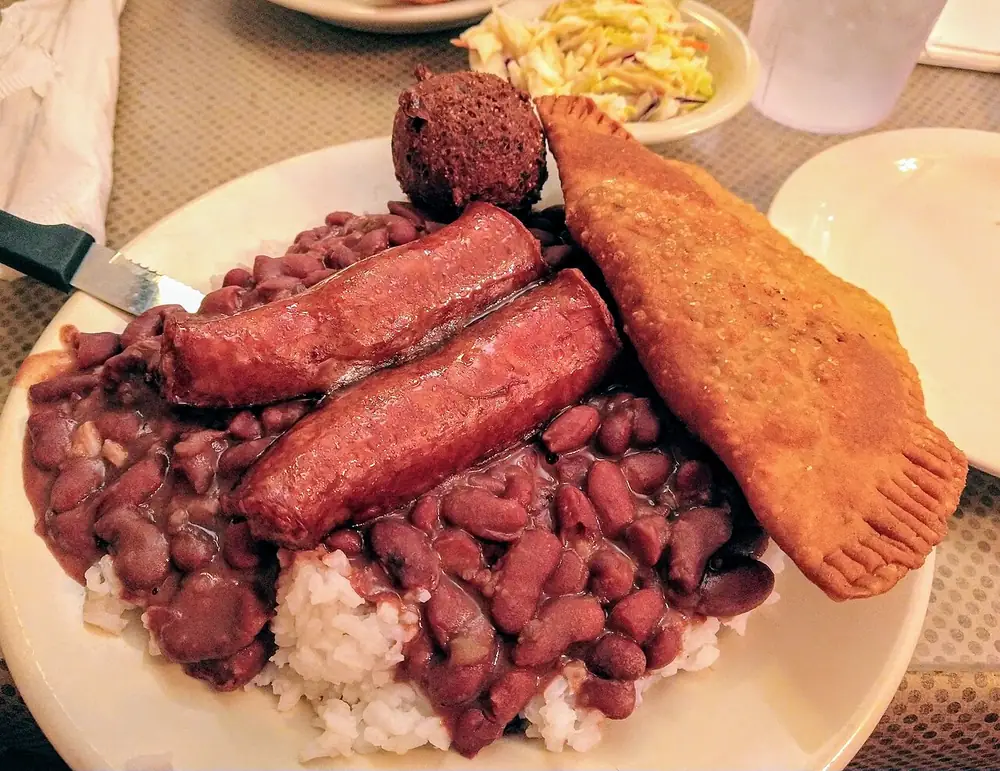
Gumbo, meat pies, and tamales appear at parish events, and quilts go up for raffle at the annual fair (National Register nomination, 2014).
Why the “Oldest” Claim Needs Care
Superlatives cling to St Augustine, and they deserve a hard look. Many accounts call it the oldest surviving Black Catholic church in the United States, and the parish celebrates that title (National Register nomination, 2014).
Official nomination language is more careful than its admirers. Firsts are always difficult to prove with certainty, the nomination says, and they can hide the nuances that matter (National Register nomination, 2014).
Father J J Callahan, pastor in 1954, once claimed the parish was the oldest for people of color in the United States. Nomination text corrects him.
New Orleans had a St Augustine parish from 1841, fifteen years before Isle Brevelle gained parish status in 1856 (National Register nomination, 2014).
Record support is narrower and stronger (National Register nomination, 2014). St Augustine was the first Catholic chapel established by, funded by, and built on the land of persons of part African descent.
The university states the same point in plainer words. University text calls St Augustine the first Catholic church in America founded, independently financed, and built by free people of color (Northwestern State University, 2026).
Judge the church by that proven claim, not by the looser superlative. No exaggeration is needed for a community that paid for its own church, kept it through war and fire, and still worships in it.
National Register, Heritage Trail, and a Living Parish
Federal recognition came late, in two steps. Church and cemetery entered the National Register of Historic Places on 24 September 2014, under reference number 14000679 (National Register nomination, 2014).
In 2016 the church was nationally registered as a traditional cultural center, the first such listing in Louisiana (Diocese of Alexandria, 2025).
State recognition came earlier. Louisiana created its African American Heritage Trail in 2008 with 26 sites.
St Augustine Church at Natchez was among them (Louisiana African American Heritage Trail, 2022).
Trail grew to 38 sites by 2022, running from New Orleans along the Mississippi to Baton Rouge and north to Shreveport.
Today the parish keeps a large choir, an active youth group, vacation Bible school, and scriptural studies.
Every October the church fair draws descendants home from across the country. Creole Festival falls on the second weekend of October.
Fish fry, live music, games, and Creole cooking fill the church grounds (Explore Louisiana, 2022).
Descendants travel from California, Chicago, and farther for that weekend.
Who Should Come, and What to Expect
Visits suit readers tracing Creole roots, and they suit Catholics who want to worship where the community has worshipped since 1829.
Sightseers expecting a museum with set visiting hours will be disappointed. Worship comes first: doors open for Mass and parish events rather than for sightseeing on a schedule.
Check the Diocese of Alexandria page before travelling, since Mass times and parish events change.
Come for the October fair if you want the fullest picture. October fair weekend shows the parish as its founders meant it: church, cemetery, hall, and cousins eating together on family ground.
This church is one stop in a larger story. Our guide tells the story of the community around it Cane River Creole Culture and History: The Complete Guide.
Start there for the families, the food, and the language, then come back here for the building where they all met.
Timeline
| Year | What happened |
|---|---|
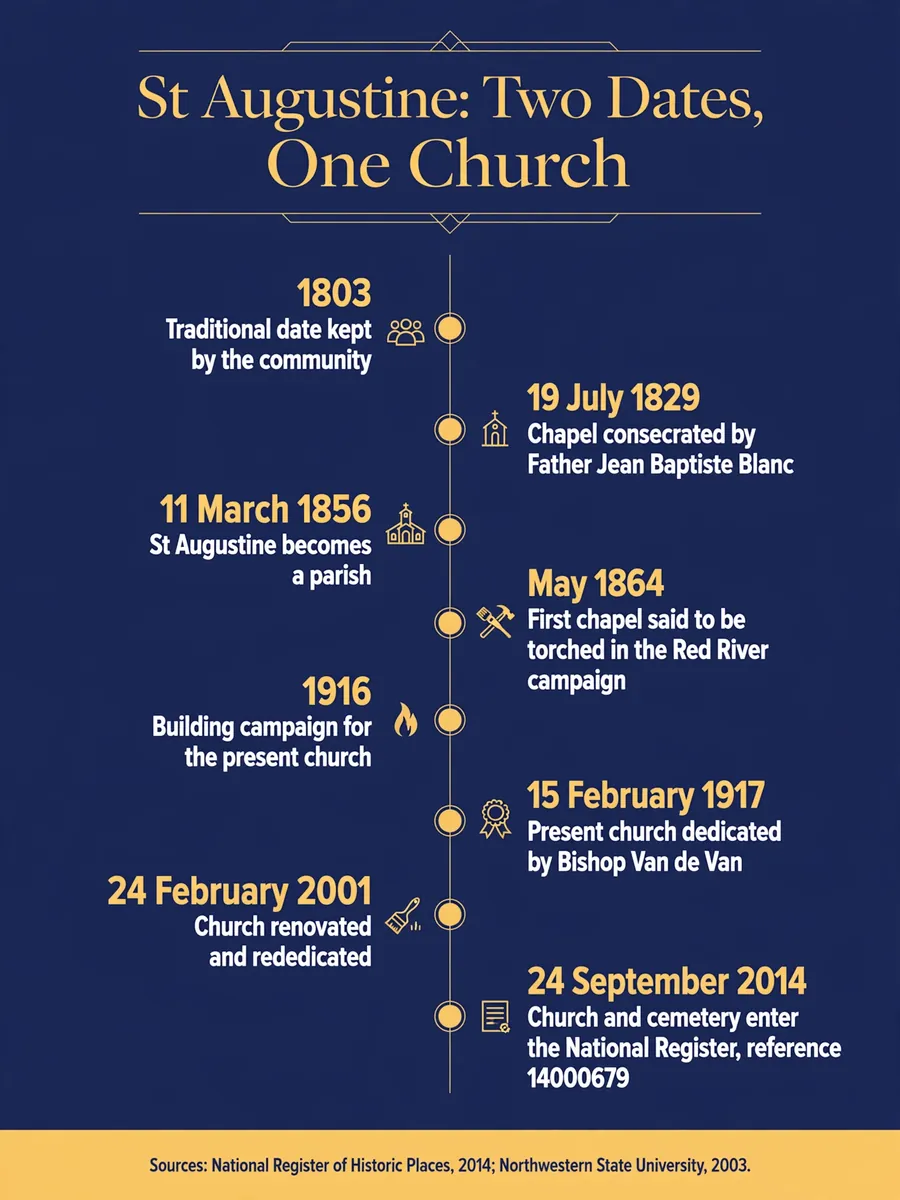
| 1803 | Traditional founding date kept by the community |
| 1829 | Chapel consecrated on 19 July by Father Jean Baptiste Blanc |
| 1856 | St Augustine becomes a parish on 11 March |
| 1864 | First chapel said to be torched in May during the Red River campaign |
| 1916 | Building campaign begins for the present church |
| 1917 | Present church dedicated on 15 February |
| 2001 | Church renovated and rededicated on 24 February |
| 2014 | Church and cemetery enter the National Register on 24 September |
Frequently Asked Questions
When was St Augustine Church built?
Family tradition says the first chapel rose in 1803. Records show it consecrated on 19 July 1829, and the present building was dedicated on 15 February 1917.
Who built St Augustine Church?
Nicolas Augustin Métoyer gave the land and paid for the chapel on his plantation. Brother Louis is traditionally credited as designer and builder, though the National Register nomination notes that no primary source proves that role.
Why do the pews matter?
Pew records put the Métoyer family in the front seats and white planters behind them. Ownership reversed the usual Southern seating, because the builders owned the church.
Is St Augustine the oldest Black Catholic church in the United States?
Many accounts describe it that way. University researchers call it the first Catholic church in America founded, financed, and built by free people of color.
National Register nomination warns that firsts are hard to prove, and it rests the claim on the funding and land instead.
Can I visit St Augustine Church?
Yes, as a worshipper or for a parish event such as the October fair. Check the Diocese of Alexandria page before travelling, since Mass times and events change.
Methodology
Primary sources supplied the facts, read in November 2026. Northwestern State University pages, the National Register nomination, and the Diocese of Alexandria parish history supplied them.
Every date and figure was checked against at least one source in References on 23 November 2026. Where sources disagreed, this article reports both sides instead of choosing one.
Where a claim rests on tradition rather than a document, it says so. Hours, prices, and addresses are left out because those change.
References
- St. Augustine Catholic Church and Cemetery — National Register of Historic Places Registration Form (National Park Service, 2014)
- St. Augustine Catholic Church and Cemetery (Natchez, Louisiana)
- Pilgrimage site: St. Augustine Church — Diocese of Alexandria
- St. Augustine Catholic Church — Northwestern State University, Regional Folklife Program
- St. Augustine Catholic Church 200th Anniversary and All Saints Ceremony — Northwestern State University
- Cane River Creole Community — Northwestern State University, Regional Folklife Program
- HEART OF LOUISIANA: St. Augustine Church — WAFB
- Louisiana African American Heritage Trail — Application Guidelines (Louisiana Office of Tourism)
- St. Augustine Creole Festival — Tour Louisiana
- Louisiana African American Heritage Trail
- Mills, Gary B., The Forgotten People: Cane River’s Creoles of Color, revised by Elizabeth Shown Mills (Louisiana State University Press, 2013).